
Study in Italy
Where History Inspires Your Future
Italy offers world class education in fields like design, architecture, arts, engineering, and business. Its universities provide internationally recognised UG, PG, and PhD programmes, often supported by generous scholarships and affordable tuition fees.
Living in Italy means enjoying a beautiful blend of history, cuisine, and modern student life. International students benefit from a warm culture, vibrant campuses, and opportunities to travel across Europe while building a strong academic foundation.
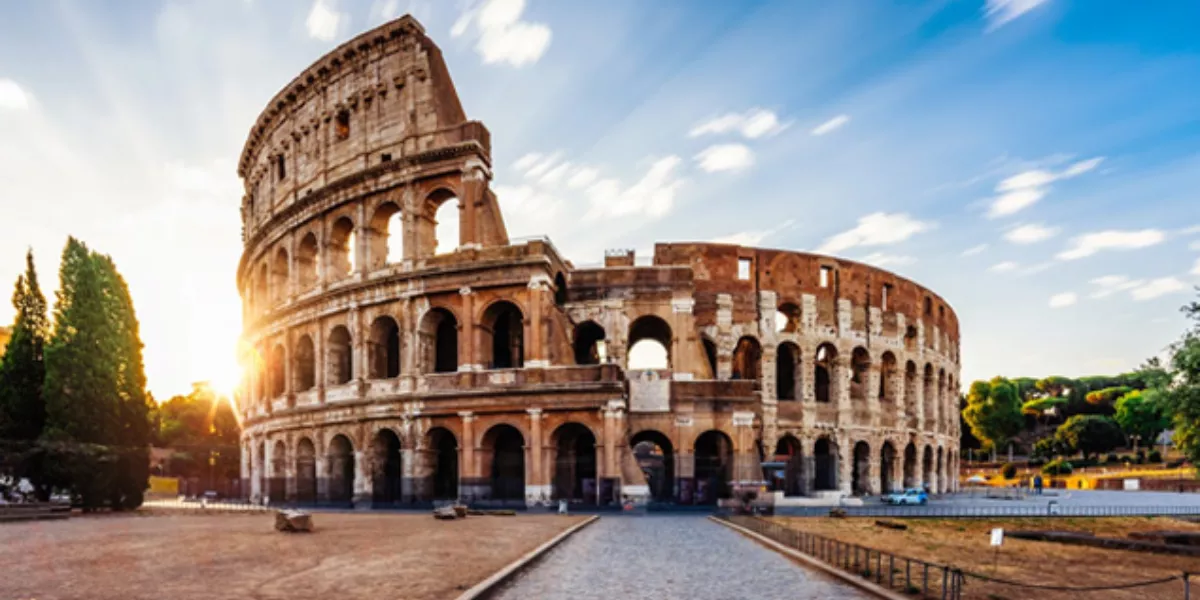






Why Study in Italy?
Italy offers Indian students a unique blend of historic academic excellence and affordable European education. With globally recognised universities, English taught programmes, and a life rich cultural backdrop, studying in Italy is more than a degree it’s a transformative experience.
Italy Education System
The Italy education system is known for its flexibility and research-driven curriculum.
Levels of Study
- Undergraduate (Bachelor’s degree — 4 years)
- Graduate (Master’s degree — 1–2 years)
- Doctoral (Ph.D. programs — 4–6 years)
Types of Institutions
- Public Universities (state funded, affordable tuition)
- Private Universities (privately funded, higher tuition)
Popular Courses
Italy offers a wide range of study options in high-demand fields:
- Business & Management
- Data Science, Computer Science & IT
- Engineering & Technology
- Environmental & Sustainable Studies
- Hospitality & Tourism Management
- Creative Arts, Media & Design
- Health Sciences & Nursing
Eligibility Criteria
Undergraduate
- 10+2 qualification
- IELTS 6.0–6.5 / TOEFL 70–80
Postgraduate
- 16 years of education
- IELTS 6.5–7.0 / TOEFL 80–90
- GRE / GMAT / SAT (for selective programs)
- Strong SOP, LORs, and Resume
Required Documents
- Academic transcripts & certificates
- Passport copy & Photographs
- Experience Certificate (If Required)
- MOI – Medium of Instruction Certificate (If Required)
- English proficiency test results (IELTS / TOEFL / PTE)
- Statement of Purpose (SOP)
- Letters of Recommendation (LOR)
- Financial documents
- Resume / CV
Visa Process
Secure your Offer Letter from a recognised Italian university.
Prepare documents: passport, academic transcripts, financial proof, health insurance.
Apply for the Type D Student Visa (non-EU), then upon arrival, apply for the Permesso di Soggiorno (residence permit).
Book travel, plan accommodation and attend orientation in Italy.
Cost of Study in Italy
Undergraduate (indicative):
€900 – €4,000 Per Year
₹81,000 – ₹3.6 lakh Per Year
Postgraduate Tuition:
€1,500 – €6,000 Per Year
₹1.35 lakh – ₹5.4 lakh Per Year
The course fees’ mentioned above are only indicative. Students who wish to gain more insight on the fee structure for specific courses and also regarding attractive scholarship opportunities can get in touch with our student counselors for more information.
💵 Living Expenses
€6,000 – €10,000 per year
≈ ₹5.4 lakh – ₹9.0 lakh per year
Costs vary by city. Milan and Rome are more expensive than smaller towns.
Popular Scholarships for Indian Students

Italian Government Scholarship (MAECI) – for international students including Indian, with tuition waivers + stipend.
DSU Regional Scholarship – regional based aid covering tuition, meals, accommodation.
University-specific merit scholarships – for high performing students at top Italian institutions.
This list is only for reference and it is highly recommended that the student consults with our counsellors for more details about scholarship in Italy for Indian students.
💡 Numerous scholarships and bursaries are available to help international students study in the Italy.
Top Universities in Italy

University of Bologna (founded 1088)
Politecnico di Milano
Sapienza University of Rome
University of Padua
💡 Many more universities and colleges
Frequently Asked Questions
Can I work while studying in Italy?
Yes. Students may work part time within permitted hours. Work helps with expenses and local experience.
Is English required for admission?
Yes for English taught programmes. Italian proficiency is needed for local language courses.
What are the main intakes in Italy?
Most programmes start in September/October. Some institutions offer February/March intakes.
Can I stay after graduation?
Yes. Graduates can apply for a residence permit to seek work in Italy.
How much does studying in Italy cost overall?
Total cost equals tuition, living, health insurance, and personal expenses. Italy is considered affordable for EU study.